Are you 21 or older?

You need to be of legal drinking age to visit this site.

Organic wine with nothing to hide.

Grown on our certified-organic vineyard at the foot of the Andes in Mendoza, Argentina. No added sulfites, no sugar left in the bottle, and nothing we wouldn't print on the label.

  • Certified organic since 2008
  • No added sulfites
  • Unoaked, fermented completely dry
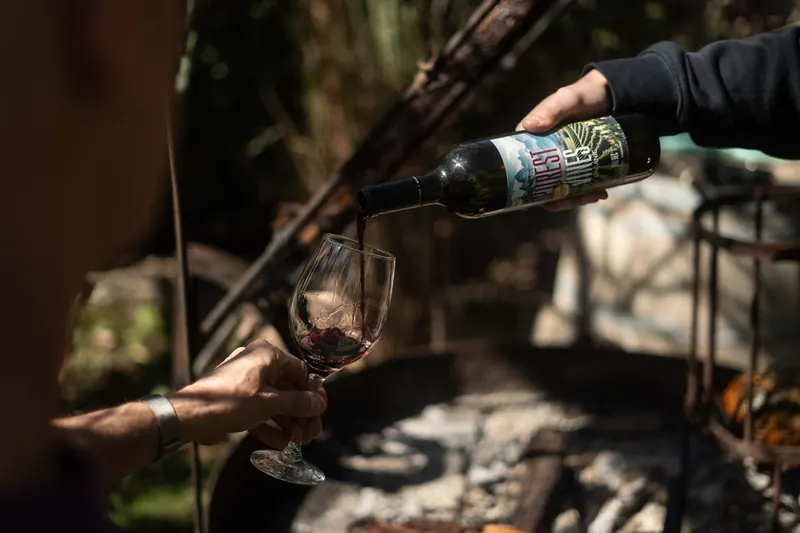
A Saturday asado in Luján de Cuyo.

Wine labels don't list ingredients.

Federal rules approve more than 70 additives for winemaking, from acidity adjusters to color concentrates, and almost none of them has to appear on the bottle.

So here's everything that goes into ours.

A bottle of Purest Vines

Wine Facts

Malbec, Cabernet Sauvignon, Chardonnay and Viognier

Serving size5 fl oz (148 mL)
Grapes
100% organic, hand-picked
Sugar
0 g
Added sulfites
None*
Commercial yeast
None, wild yeast only
Oak barrels, chips or staves
None
Fining agents (egg white, gelatin, casein)
None
Synthetic pesticides and herbicides
None
Alcohol by volume
About 12.5%

*Fermentation makes trace sulfites on its own. We never add more. Grown and bottled in Luján de Cuyo, Mendoza, Argentina.
A typical bottle on the shelf

Wine Facts

Whatever the winery chose

Serving size5 fl oz (148 mL)
Grapes
Not disclosed
Sugar
Not disclosed
Added sulfites
"Contains sulfites"
Commercial yeast
Not disclosed
Oak barrels, chips or staves
Not disclosed
Fining agents (egg white, gelatin, casein)
Not disclosed
Synthetic pesticides and herbicides
Not disclosed
Alcohol by volume
Printed

US wine labels must show alcohol and a sulfite warning. Almost everything else is optional.

From the vine to your glass, in eight steps.

Our winemaking protocol runs to 34 rules. These are the ones you can taste.

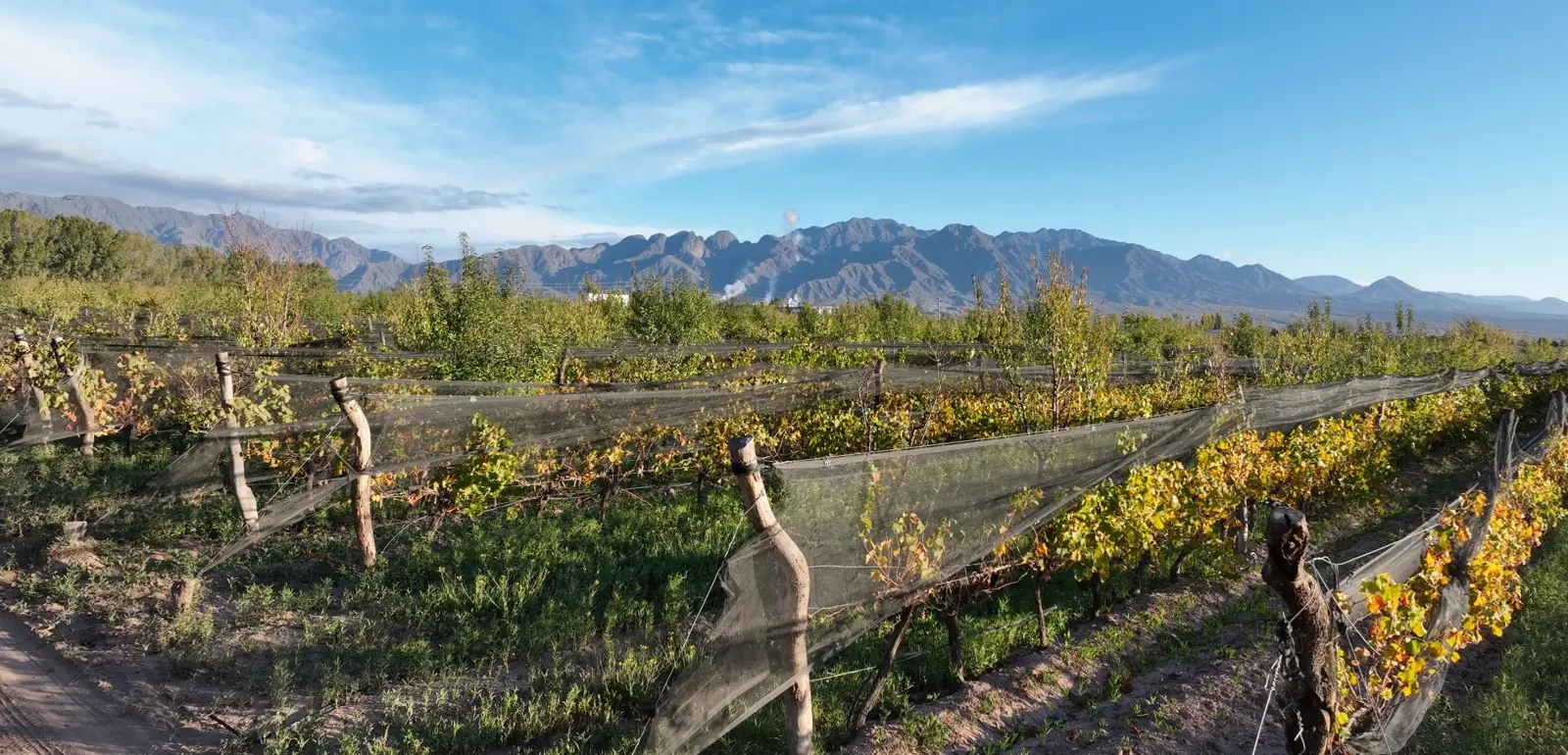
  1. Rows of vines with the Andes behind them

    Organic since 2008

    220 acres in Luján de Cuyo, fed with compost made from our own grape skins and prunings. No synthetic pesticides, herbicides or fertilizers, and electric machinery so no fuel ever spills between the rows.

  2. Watered with Andes snowmelt

    Drip irrigation with spring water from the mountains a few miles away, measured vine by vine. Dry air and big swings between hot days and cold nights keep mildew off the grapes without spraying.

  3. Picked by hand, kept cold

    We harvest on the day the grapes are ready, sort out any damaged clusters by hand, and keep the fruit at 40°F on its way to the winery so it arrives fresh.

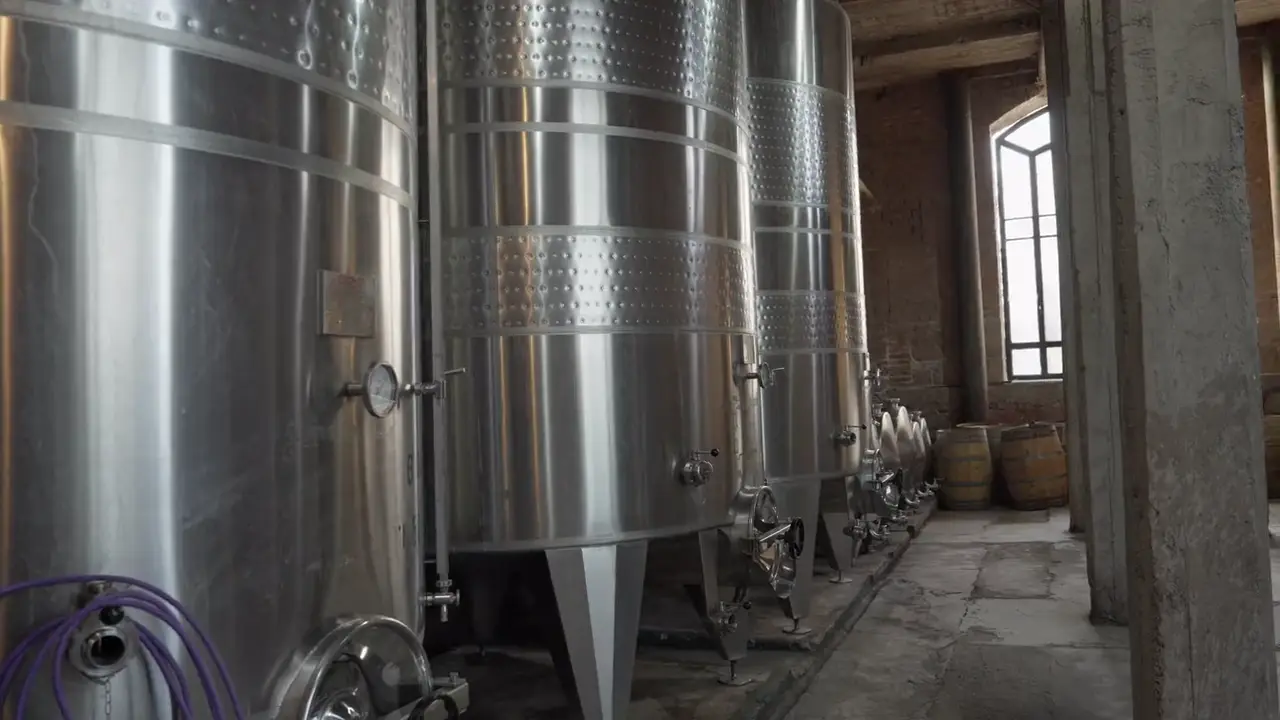
  4. Stainless steel fermentation tanks

    Wild yeast only

    Fermentation starts with the yeasts that come in on the grapes from the vineyard. Nothing from a packet.

  5. Fermented completely dry

    Every bit of grape sugar becomes alcohol, so none is left in your glass. The wine lands around 12.5% alcohol, lighter than many big reds.

  6. No oak, no fining

    No barrels, chips or staves, and no egg whites or gelatin to clear the wine. Cold Mendoza winters and time let it settle on its own.

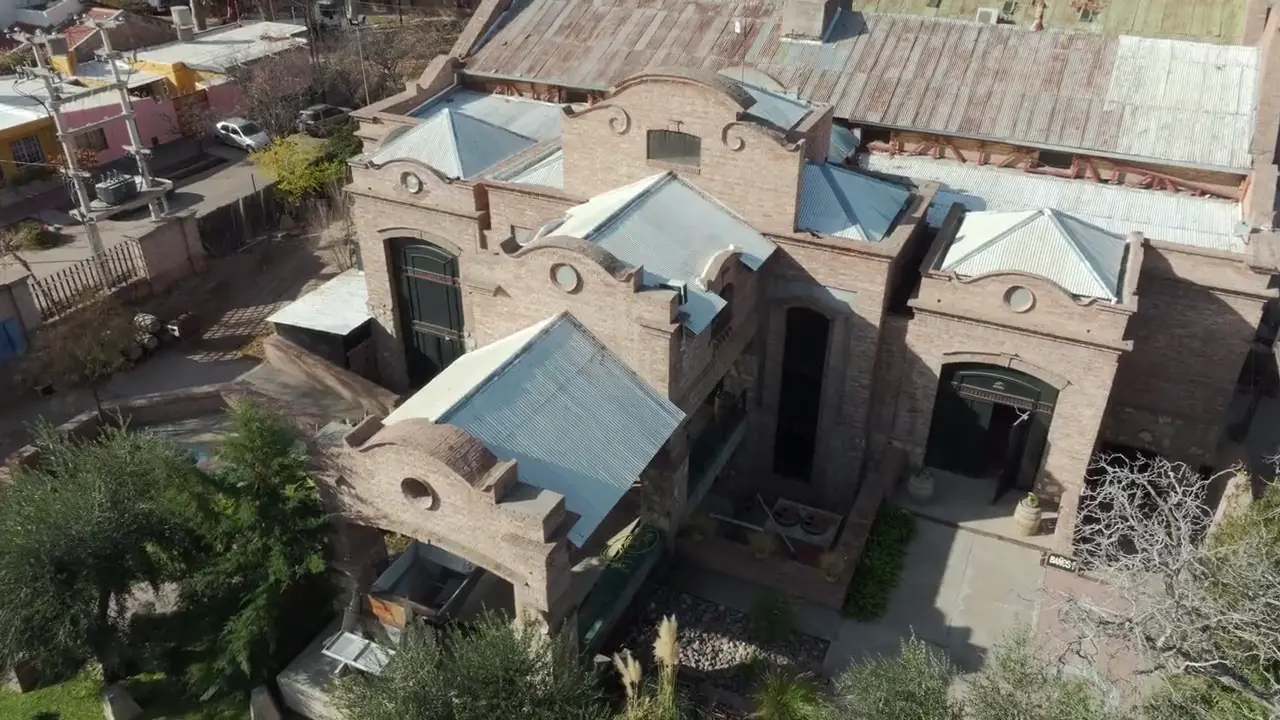
  7. Aerial view of the brick winery building

    Filtered gently, bottled clean

    Tangential-flow filtration instead of paper or diatomaceous earth, then aseptic bottling in lightweight glass with a recyclable label.

  8. Kept cool until it leaves

    Bottles rest in the dark, below 57°F, until they leave the winery.

Four wines from one vineyard.

All unoaked, so what you taste is the grape and the place it grew.

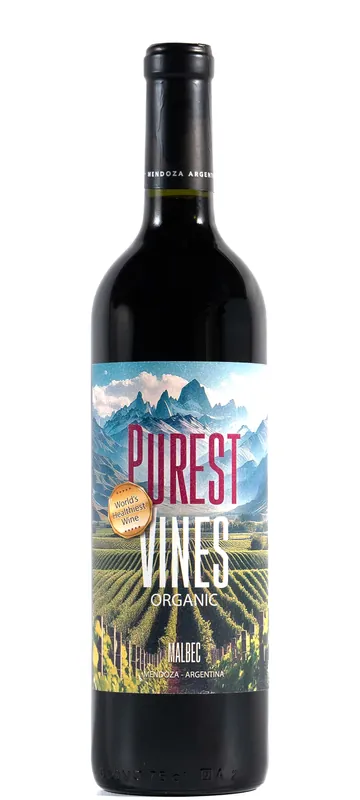
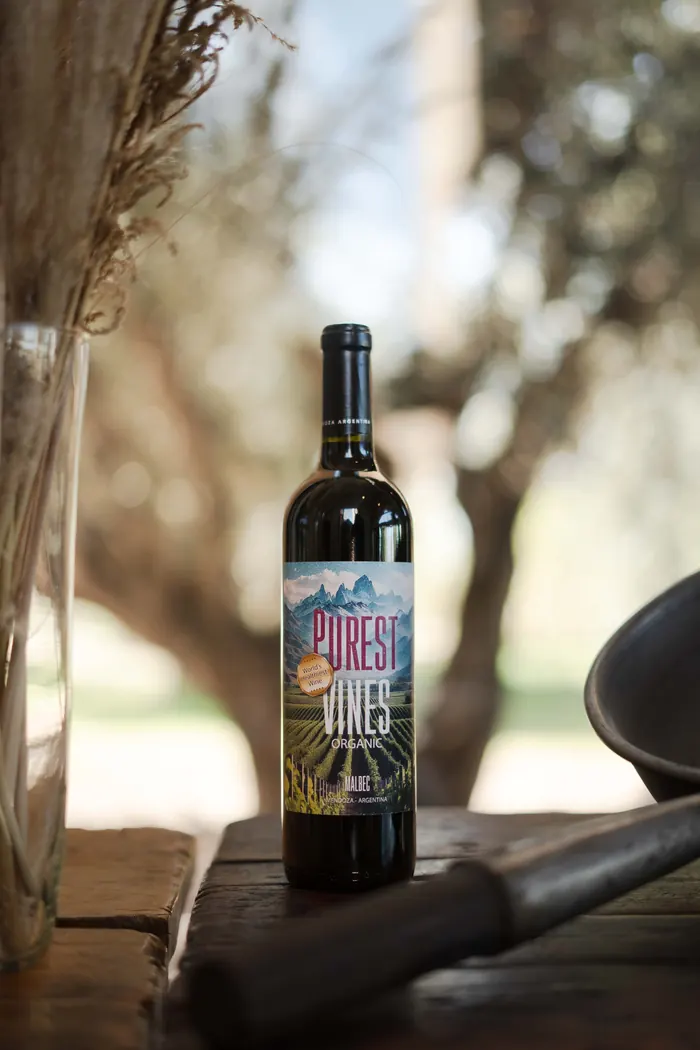
  • Bottle of Purest Vines Malbec

    Malbec

    Plum, black cherry and violet, with soft, round tannins.

    Try it with anything off the grill.

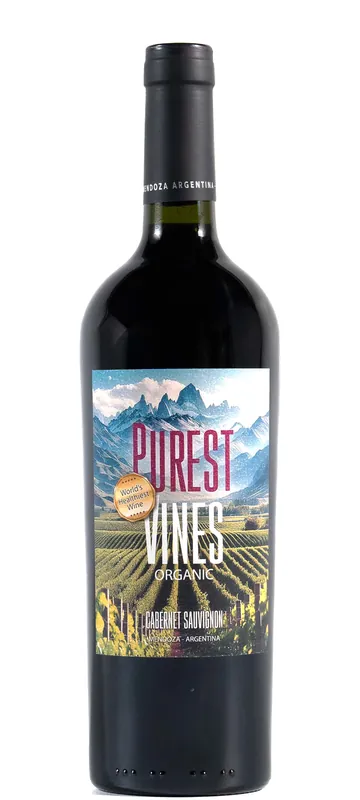
  • Bottle of Purest Vines Cabernet Sauvignon

    Cabernet Sauvignon

    Blackcurrant and red pepper, with a firm, dry finish.

    Try it with aged cheese or braised short ribs.

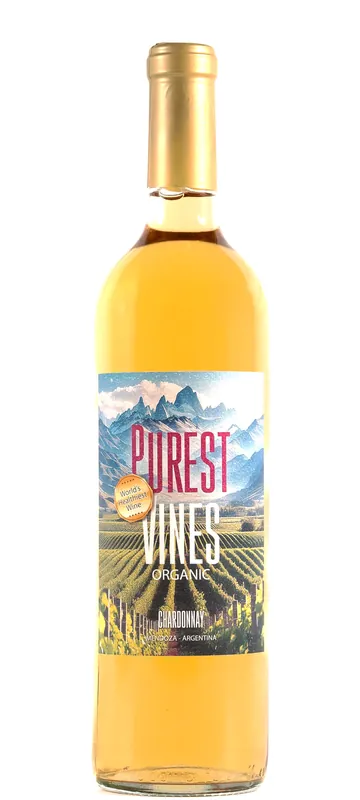
  • Bottle of Purest Vines Chardonnay

    Chardonnay

    Green apple, pear and citrus. Crisp, with no buttery oak.

    Try it with roast chicken or salmon.

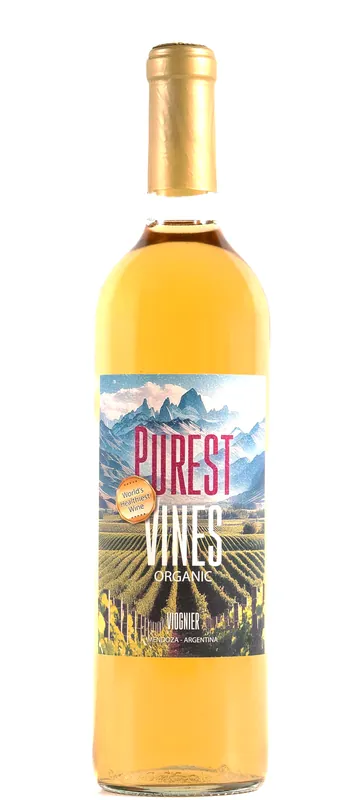
  • Bottle of Purest Vines Viognier

    Viognier

    Apricot, peach and white flowers. Fresh and dry, not sweet.

    Try it with sushi or anything spicy.

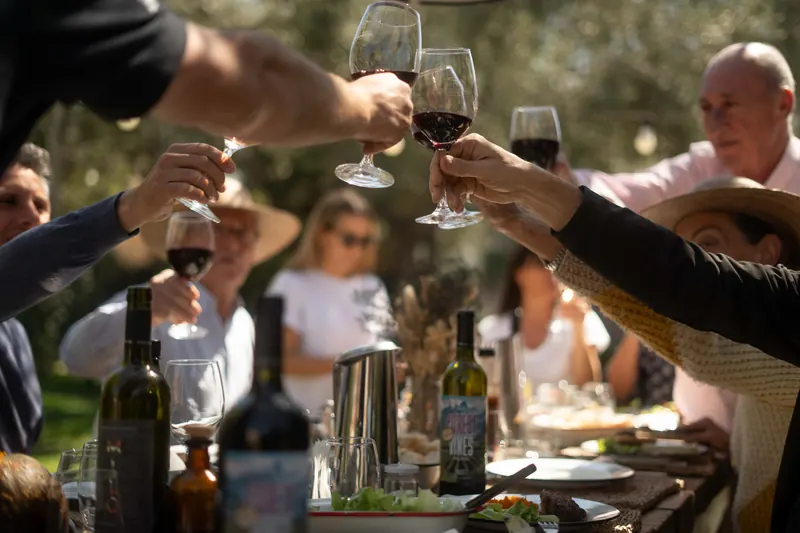
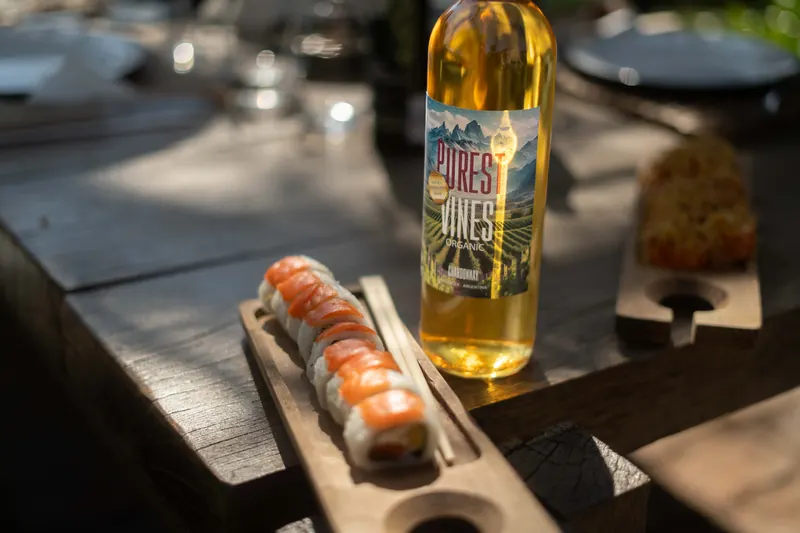
Friends raising glasses of red wine at an outdoor table A bottle of Purest Vines white next to sushi on a wooden board A bottle of Purest Vines Malbec on a rustic table under olive trees Four women toasting with white wine in a garden Two glasses of red wine touching beside a bottle of Purest Vines Malbec being poured beside an outdoor grill

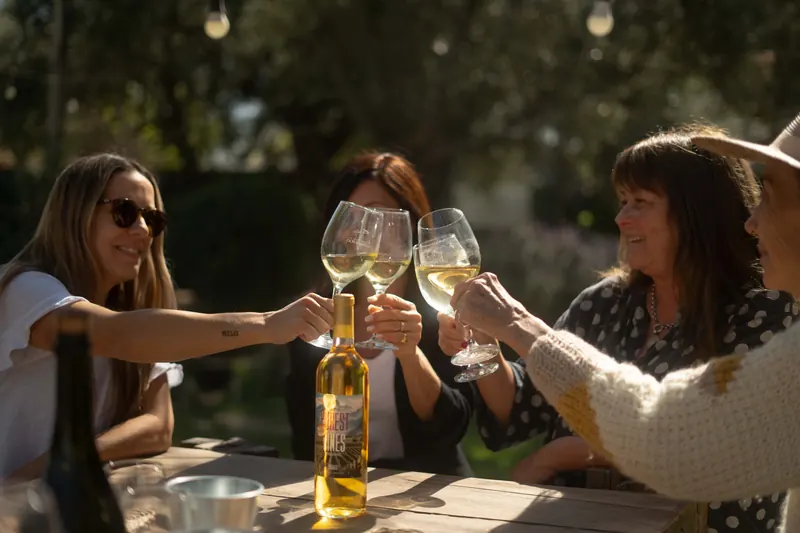
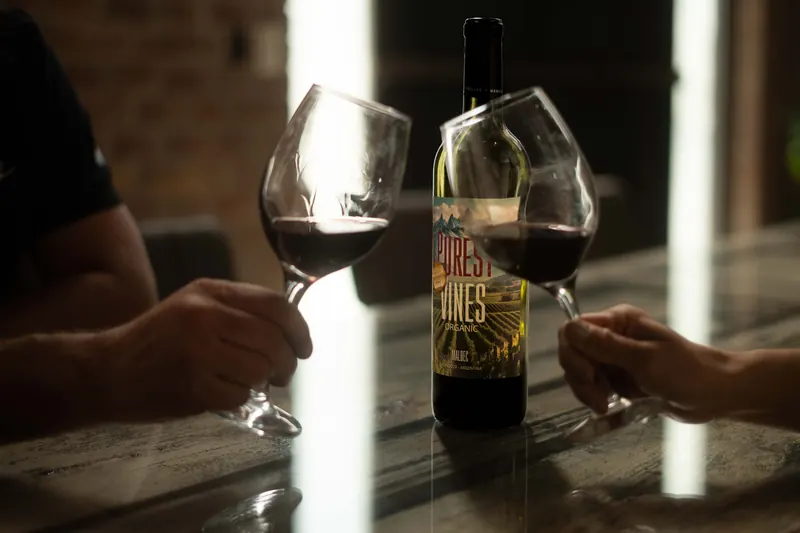
A long lunch in Luján de Cuyo. Malbec with the asado, Viognier with the sushi.

Mendoza's winemakers tasted it.

We poured it for people who have spent their lives making wine here, and filmed what they said.

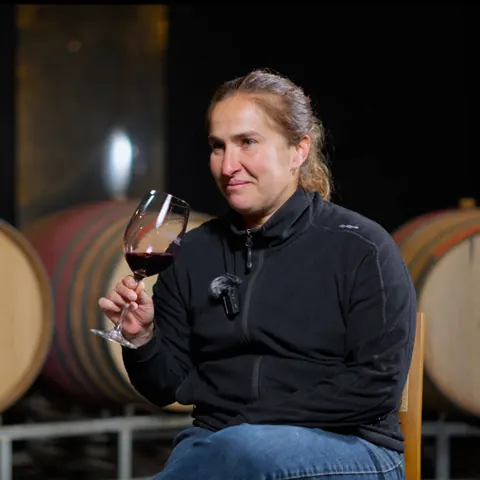
Maricruz Antolin holding a glass of red wine
“I like it! Fruity, easy to drink, acidity in the mouth, unoaked. I prefer unoaked wines… real wines, without makeup.”
Maricruz AntolinHead winemaker at Krontiras. Tim Atkin's 2022 Young Winemaker of the Year.
Alex Bianchi holding a glass of red wine
“Purest Vines heightens your senses and touches your heart. This is what a superb wine experience is all about. How exciting!”
Alex BianchiGrandson of Valentin Bianchi, founder of Bodegas Bianchi
Jose Colombi holding a glass of red wine
“Fresh. Easy to drink. 100% organic… Fantastic wine!”
Jose ColombiOwner of Dos Familias winery

Watch the tastings

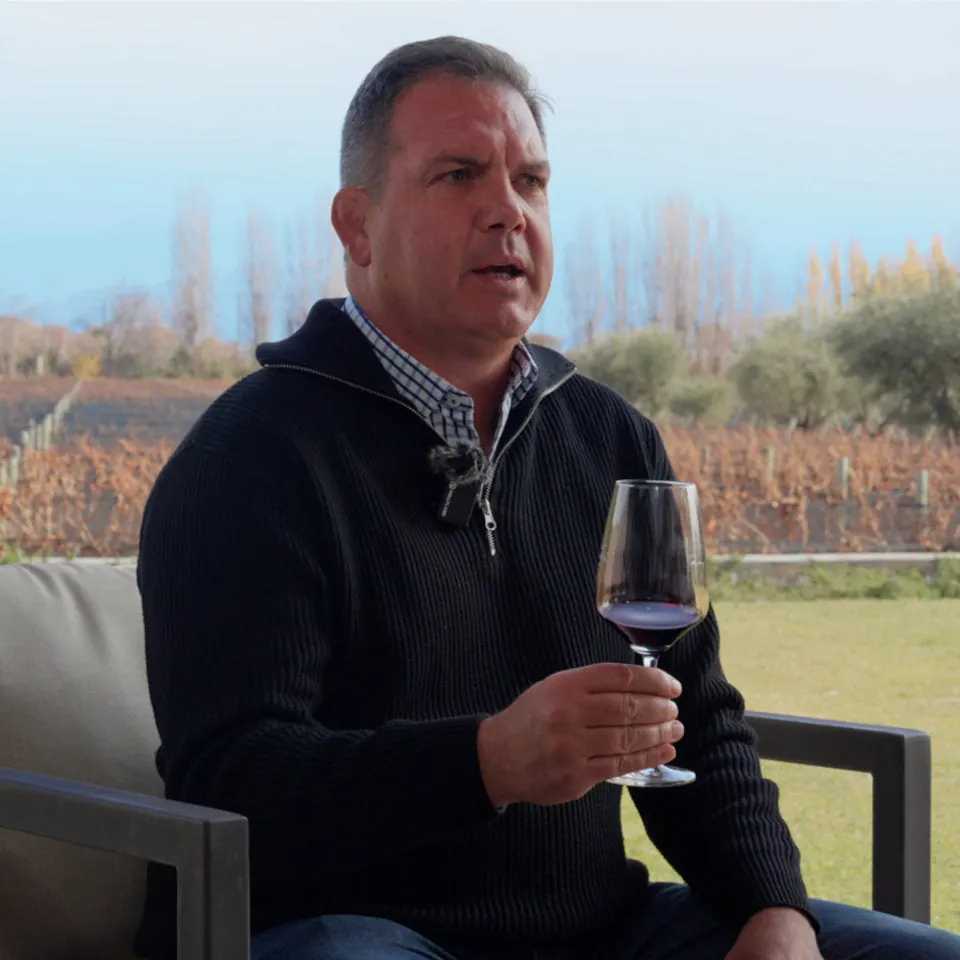
Cristian Allamand sitting in the vineyard holding a glass of red wine
Cristian “Mudo” Allamand, our winemaker.

Why we made it.

A few years ago I rebuilt the way I eat: whole foods, organic ingredients, nothing processed. Wine was the one thing I couldn't find made by the same rules. No additives, no leftover sugar, and a winery willing to tell me exactly what was in the bottle.

So we wrote the rules down, 34 of them, and planted them in Mendoza. Our winemaker, Cristian “Mudo” Allamand, is an agronomist who made wine at Chandon before he joined us. He farms the vineyard the old way and makes the wine with as little intervention as it will allow.

We set out to make the purest wine we could. Then we made sure it was one you'd want to open on a Tuesday.

Will PeregoFounder and CEO, Purest Vines

What people ask us.

Where is Purest Vines made?

On our own certified-organic vineyard in Luján de Cuyo, Mendoza, at the foot of the Andes. We grow the grapes, make the wine and bottle it there.

Is there really no sugar?

We ferment every tank until the grape sugar has turned into alcohol, so there's none left in the bottle to taste or count. Nothing sweet is added afterwards.

Does it contain sulfites?

We never add any. Fermentation creates a trace amount naturally in every wine, which is why US law may still require the words “contains sulfites” on a label.

Why no oak?

Oak changes how a wine tastes, adding vanilla, toast and spice. We'd rather you taste the grape and the vineyard it grew in.

Know what's in your glass.

Questions about the wines, the vineyard or how we make them? Write to us. We have nothing to hide.

Write to us